
Diabetes and The Eyes
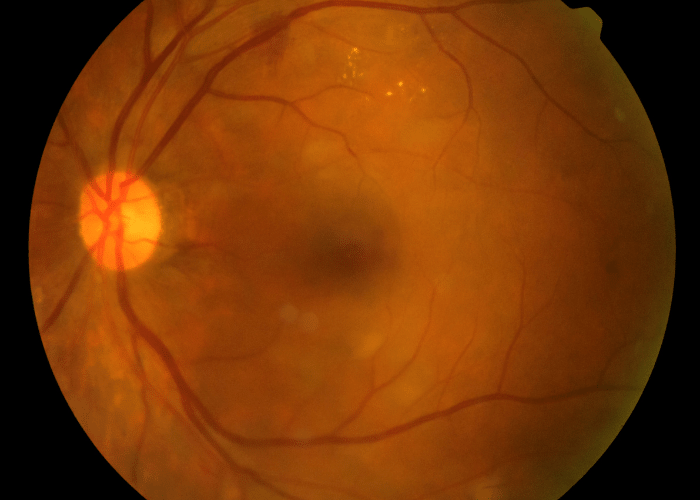
People who suffer from diabetes are likely to suffer from eye problems as well, and this is typically referred to as diabetic retinopathy. The complications from diabetes such as high blood sugar levels can cause damage to the retina, which can actually lead to blindness when left undiagnosed and untreated. If you have diabetes and are starting to suffer with eye problems and hear the word “diabetic retinopathy”, then don’t be scared as it can take years for it to reach a level that threatens your eyesight, so the sooner it is caught the better.
The high blood sugars can caused by diabetes can lead to damage in the eyes blood vessels in three main stages and these are:
- Background Retinopathy – tiny bulges develop in the blood vessels, which may bleed slightly but do not usually affect your vision
- Pre-proliferative Retinopathy – more severe and widespread changes affect the blood vessels, including more significant bleeding into the eye
- Proliferative Retinopathy – scar tissue and new blood vessels, which are weak and bleed easily, develop on the retina; this can result in some loss of vision
Symptoms of Diabetic Retinopathy
Typically most people will not even realise they have diabetic retinopathy in the early stages and the symptoms aren’t always easy to spot. The more advanced the condition becomes, the more obvious the symptoms will become. If you suffer from diabetes, then it’s important to understand the symptoms as the sooner they are caught and diagnosed, the sooner they can be treated. Some of the symptoms of diabetic retinopathy are:
- Your vision starts to gradually become worse over time
- You begin to see floating shapes in your field if vision
- Blurred or patchy vision especially when focussing
- Sudden loss of vision
- You struggle to see in the dark
- Redness to the eyes or actual eye pain
How To Reduce Your Risk of Diabetic Retinopathy
When it comes to diabetic retinopathy, there are a number of things you can do to help reduce your risks. Diabetes is a hard enough condition to control and monitor, but it is important to ensure you don't let your eyes suffer as well. Some of the things you can aim to do, to help reduce your risk of diabetic retinopathy are:
- Ensure your blood sugar, pressure and cholesterol levels are well controlled
- Keep on top of your diabetes medication
- Ask and attend regular screening appointments for diabetic retinopathy
- Maintain a healthy weight and balanced diet
- Stop smoking
- Exercise regularly and keep fit and healthy
- Seek medical attention if you notice changes in your vision
Treatment for Diabetic Retinopathy
Attending regular screening appointments will help to reduce your risks of developing diabetic retinopathy at a late stage. If you get diagnosed with diabetic retinopathy then there are a number of treatment options available such as laser eye treatment, medication injections in your eyes or an operation to remove blood or scar tissue from your eyes.